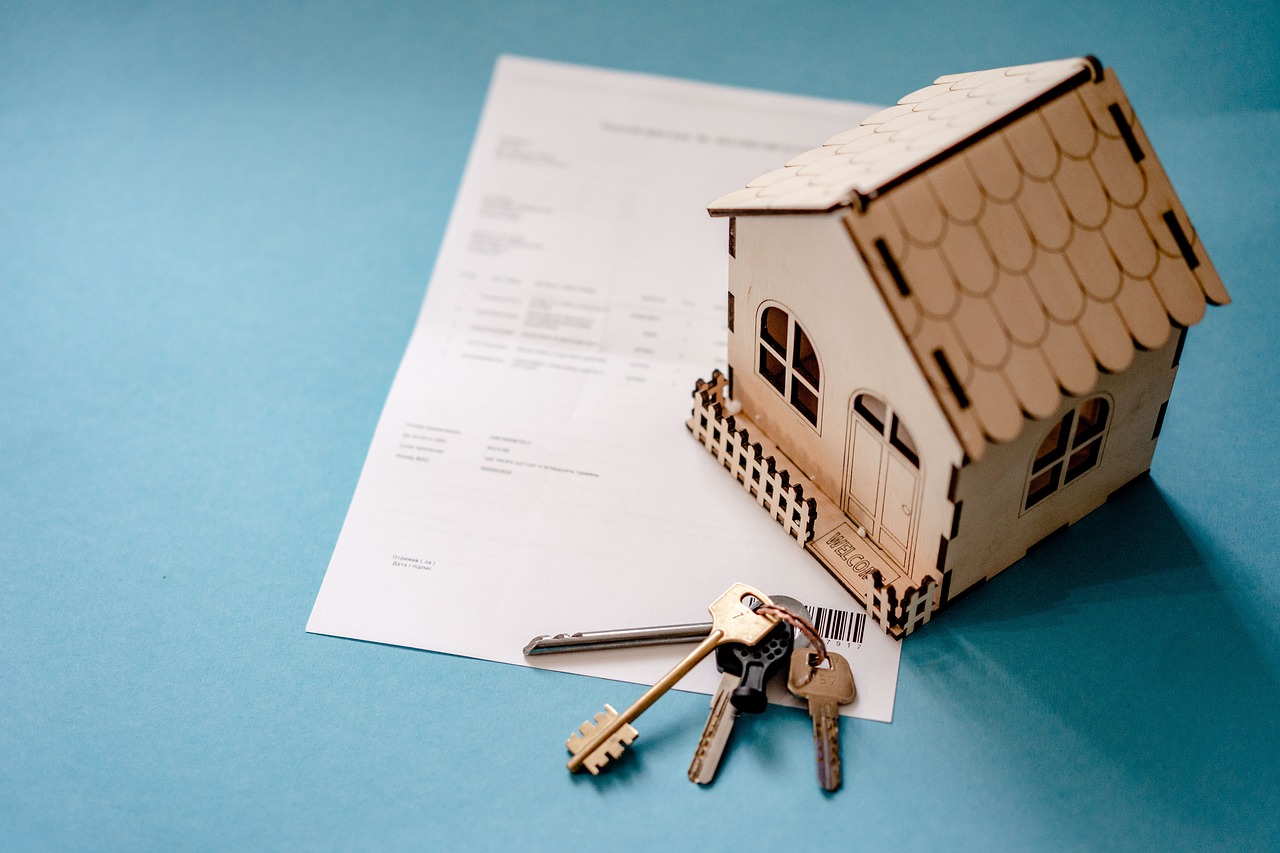
So you’re about to sign a French lease ? Let’s talk before you do
Renting your first place in France is exciting, sure. But honestly, the paperwork can feel like a wall. Three words come up again and again, and if you don’t get them right, they can cost you real money : bail, état des lieux, and caution (well, the deposit people loosely call the caution). I’ve seen friends lose hundreds of euros simply because nobody explained these to them. So let’s fix that. Grab a coffee, this won’t take long.
Quick context first. In France, the lease, the move-in inspection and the deposit are tied together way more tightly than in a lot of other countries, and the rules actually protect tenants pretty well, once you know them. If you’re hunting for a flat in a specific city, say you’re eyeing Burgundy, a site like https://locationappartement-dijon.com gives you a feel for what’s realistic locally before you even start the admin part. And trust me, knowing the market helps you read the lease with sharper eyes.
The bail : read it, don’t just sign it
The bail is the lease. Sounds obvious, but here’s what catches people out : the duration isn’t random. For an unfurnished flat rented from a private landlord, the minimum is three years. For furnished, it drops to one year, or nine months if you’re a student. Why does this matter ? Because it sets how long you’re committed and how the landlord can (or can’t) ask you to leave.
Read the whole thing. I know, it’s tempting to skim. Don’t. Check the rent, obviously, but also the charges, whether they’re a fixed provision or settled later, and the notice period if you want to leave. For unfurnished, you usually give three months’ notice, sometimes one month in “zones tendues” (tight housing areas, big cities mostly). Furnished ? One month. Perso, I always photograph the signed lease the same day. Sounds paranoid. It’s saved me twice.
One thing that surprised me the first time : the landlord can’t ask for whatever they want as documents. There’s a legal list of what they can request from you, and a list of what’s forbidden. So if someone asks for your blood type or a copy of your medical file, no. That’s not normal. Ever.
The état des lieux : this is where the money lives
Okay, this is the big one. The état des lieux is the condition report you do when you move in, and again when you move out. And franchement, this single document decides whether you get your deposit back or wave it goodbye.
Here’s the trap. You arrive, you’re tired, you’ve got boxes everywhere, the landlord is in a hurry, and you just want the keys. So you sign the move-in report quickly without really looking. Big mistake. That scratch on the parquet ? The slightly cracked tile in the bathroom ? The radiator that doesn’t fully heat ? If it’s not written down on the way in, guess who pays for it on the way out. You.
So take your time. Open every cupboard. Test the taps, the hot water, the windows. Photograph everything, date-stamped if you can. Note the little stuff. It feels excessive in the moment, I get it, but a five-minute extra check can save you a chunk of your deposit. Have you ever tried arguing about a stain three years after moving in, with no proof ? It’s miserable. Don’t put yourself there.
And the exit report should be compared directly against the entry one. That’s literally the point. Normal wear and tear, fading paint, slightly worn flooring from years of living, that’s on the landlord, not you. You’re not supposed to hand back a brand-new flat. You’re supposed to hand back the same flat, minus reasonable aging.
The caution / deposit : how much, and when do you get it back ?

Now the money. The dépôt de garantie, the security deposit, is capped. For an unfurnished place it’s a maximum of one month’s rent (excluding charges). For furnished, it can go up to two months. If someone asks for more on an unfurnished flat, that’s a red flag. Push back.
Small but important detail people mix up : the word “caution” in French often actually refers to the guarantor, the person (a parent, usually) who promises to pay if you don’t. The deposit is technically the “dépôt de garantie.” Same conversation, two different things. Worth knowing so you don’t get confused when a landlord says “caution.”
And the return ? If the exit report matches the entry one, no damage, all good, the landlord has one month to give your deposit back. If there are discrepancies, it stretches to two months, and they have to justify any deductions with actual proof, quotes or invoices, not a vague “I’ll keep some for cleaning.” If they sit on it longer than the legal deadline, they owe you extra. So no, you’re not powerless here.
A few habits that just make life easier
Keep everything. The lease, both inspection reports, every receipt, the deposit confirmation. Stick them in one folder, physical or digital, doesn’t matter, just one place. When you move out and you’re chasing your money, you’ll thank yourself.
Be present, or send someone you trust, for both inspections. Never let an état des lieux happen without you. And read before you sign, always. I’d say that’s the single best piece of advice in this whole article. A lease isn’t a formality. It’s the thing that decides who’s right when something goes wrong.
Renting in France isn’t scary once you’ve got these three words straight. The rules genuinely lean in the tenant’s favour, you just have to know they exist. So before you grab those keys, ask yourself : did I really check everything ? If yes, welcome home. If not, well, you know what to do now.